
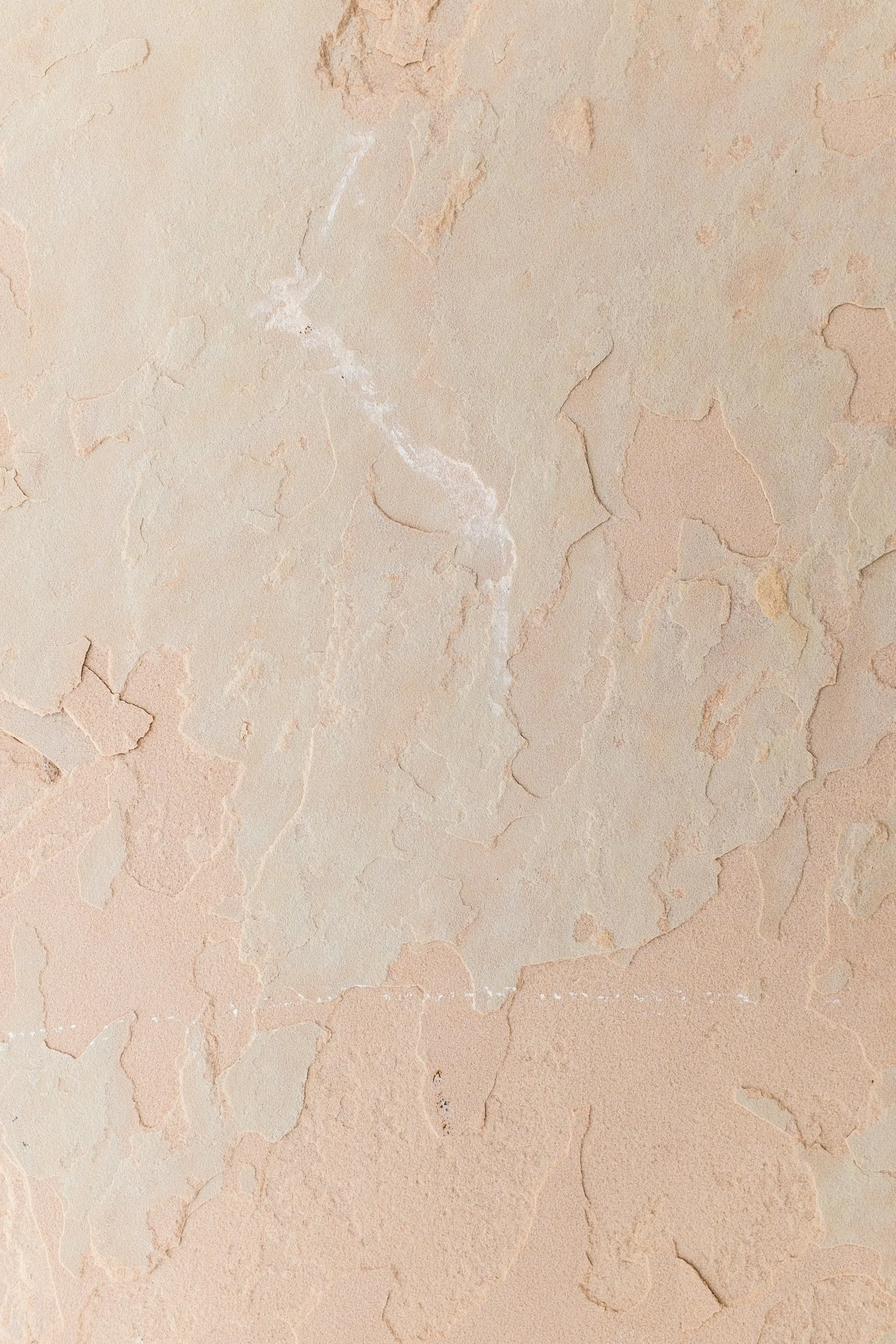
Surface Restoration
The piece stays.
Hand-Matched Surface Restoration
A damaged door does not have to become a new door. A chipped island does not have to become a new slab. A scar in a finished floor does not have to become a refinished room.
Elite Craftsmanship restores the damaged zone of wood, stone, and architectural surfaces — in the room where the piece already lives. The void is rebuilt. The grain, figure, or stone pattern is returned by hand. The sheen is brought into agreement with the surrounding surface. When the work is finished, the original piece remains the original piece.
A fraction of the cost of replacement. None of the wait.
Why this exists
Luxury materials are expensive to specify and slow to replace. A white oak door, a book-matched panel, a stone countertop chosen months earlier — these are not commodities sitting on a shelf. Damage at the end of a job, or years into a home’s life, creates a problem that replacement rarely solves cleanly. The new piece will not match the old run. The lead time will not match the schedule. The client will not thank anyone for starting over.
Restoration of the damaged zone is the older answer. It is also the more intelligent one. Keep what was specified. Keep what has already aged into the room. Spend a few hours, not a few weeks.
What is restored
Architectural doors, frames, and casings
Hardwood and engineered floors — localized damage only
Millwork, paneling, beams, mantels, and built-ins
Wood tops, tables, and furniture-grade surfaces
Stone surfaces — chips, gouges, missing corners, cracked edges
Other architectural surfaces where a discrete repair is the honest solution
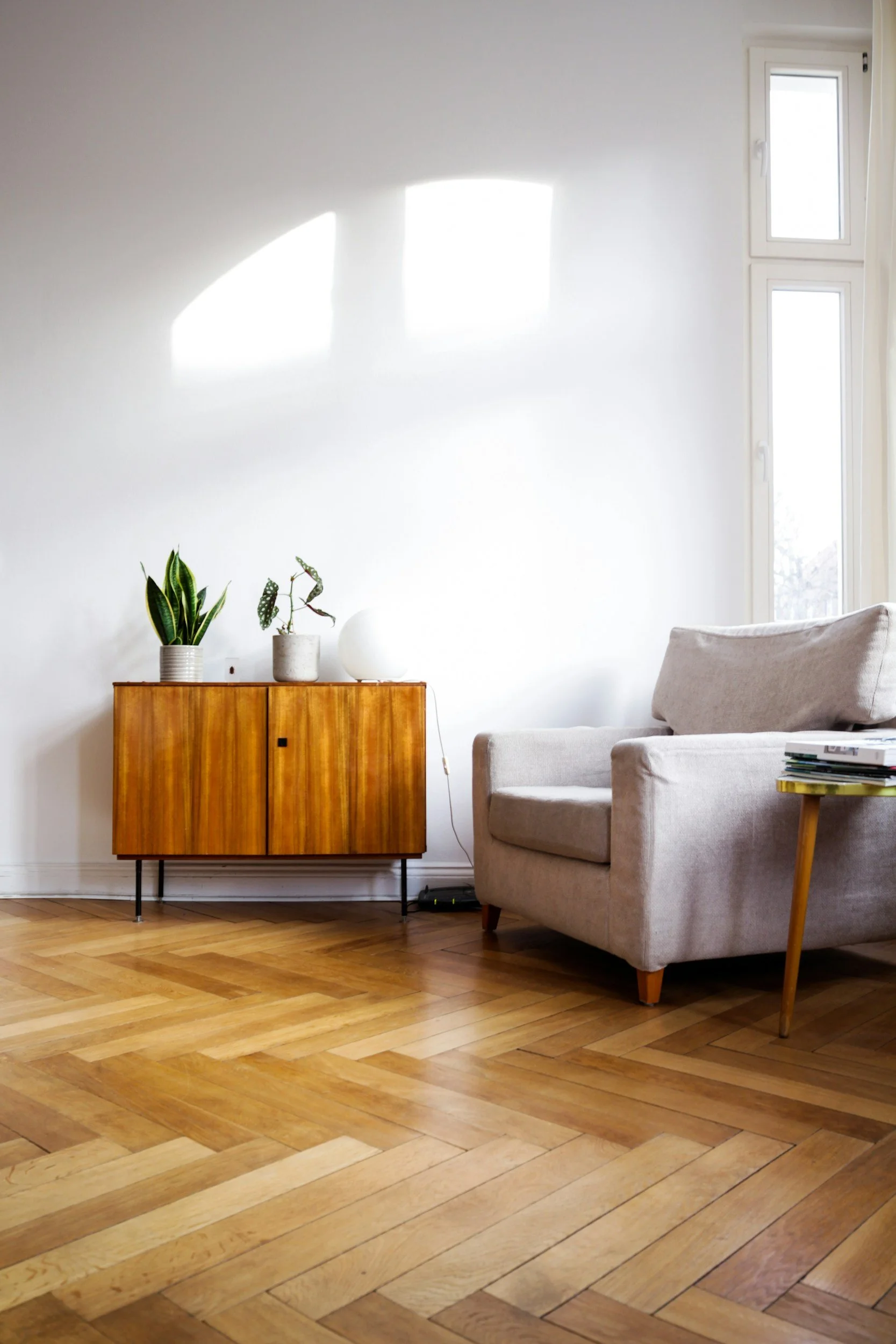
How the work is done
The method is simple to describe and difficult to perform. That is the point.
The surface is read in its own light.
Color, figure, and sheen are judged in the room where the piece lives — not under a shop lamp, not from a photograph. Daylight through that window. The cans over that island. The evening tone of that hallway. The repair is matched to the light that will always be there.
The damaged zone is rebuilt.
Only the wound is addressed. The surrounding surface is left untouched. The fill is brought to the correct plane and edge so the repair has substance, not the look of something spread on top.
The pattern is returned by hand.
Grain, mineral streak, cathedral figure, stone veining, mottling — whatever the original surface is doing, the restored area is made to continue doing. This is not a printed pattern and it is not a generic “wood look.” It is the particular surface in front of you, continued.
The sheen is brought into agreement.
Invisibility is not only color. It is the way light sits on the surface. The final film is built so the repair and the original read as one material.
What a visit looks like
The work is performed on site. Most restorations are measured in hours, not days. A compact rolling station comes into the room. The footprint is small. When the visit is finished, the piece stays where it is.
Travel is not a limitation. If the surface is worth saving, the work can be done wherever the surface is.
Who calls
Builders, at the end of a job, when a finished piece has been marked and the replacement conversation has already started to go badly.
Designers and architects, when a specified material cannot be matched from current stock.
Homeowners, when the piece they chose, or inherited has taken a wound and they would rather keep it than explain a replacement.
The invitation is the same in every case: send a photograph. If restoration is the right answer, you will know quickly. If it is not, you will be told that too.